

August 6, 2026
While body modifications such as tattoos and body piercings are a personal choice for many residents, these procedures carry inherent biological risks if performed in unregulated environments. Puncturing the skin barrier introduces a direct pathway for infection, making rigorous oversight a critical matter of community well-being.
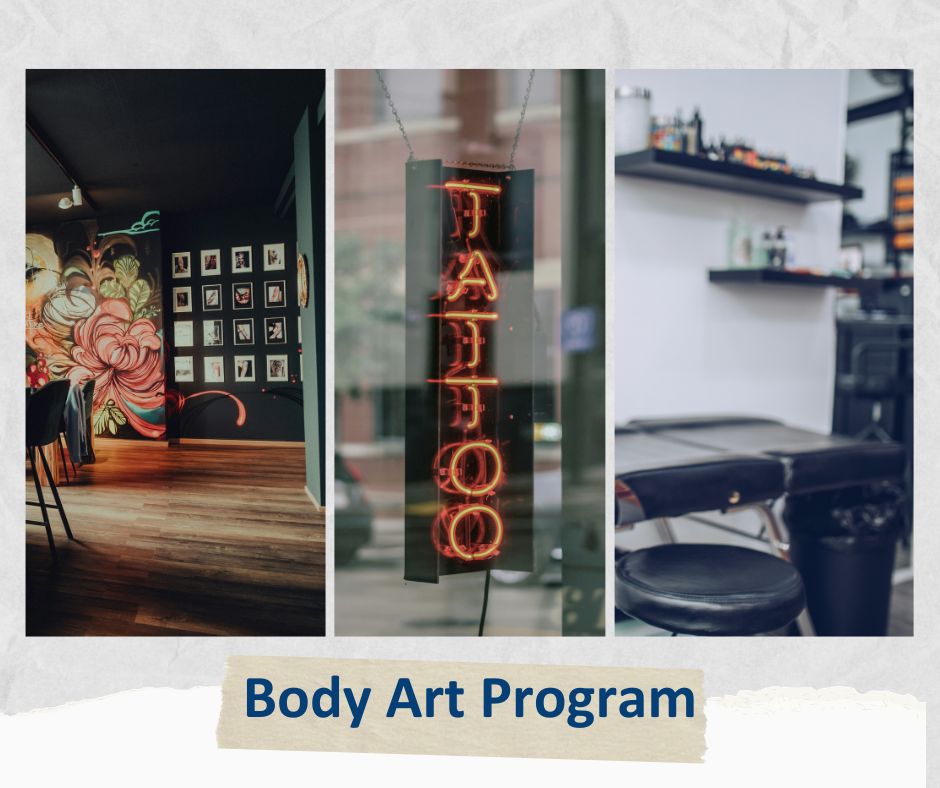
To mitigate these risks, El Paso County Public Health (EPCPH) maintains a comprehensive Body Art Program. Operating under strict guidelines, the program enforces sanitary standards to protect consumer health and prevent the spread of infectious diseases.
For anyone considering a body modification such a tattoo or piercing, verifying that an establishment is licensed is the most important step to ensuring a safe procedure.
The Real Health Risks of Unlicensed Procedures
When a needle punctures the skin, the primary concern from a public health standpoint is the transmission of bloodborne pathogens. Unlicensed establishments lack regulatory oversight and, frequently fail to utilize medical-grade sterilization or follow proper safety protocols. This neglect can lead to the transmission of serious, long-term health complications, including:
- Hepatitis B and Hepatitis C: Viral infections that attack the liver and can lead to permanent liver damage or failure.
- Human Immunodeficiency Virus (HIV): A virus that compromises the immune system. If untreated, HIV progresses to AIDS (Acquired Immunodeficiency Syndrome), at which point the body is unable to effectively defend itself.
- Severe Bacterial Infections: Skin infections caused by staphylococcus or streptococcus bacteria can escalate into systemic, life-threatening conditions if left untreated.
The Benefits of Regulatory Oversight
Unlicensed body art shops are illegal, yet they do exist in the community. Although EPCPH actively addresses and investigates unlicensed operations, some persist. Choosing an EPCPH-licensed facility ensures that both the shop and the individual artists have demonstrated knowledge of required safety practices. EPCPH Environmental Health Specialists routinely inspect licensed establishments and respond to public complaints to ensure compliance with local health codes.
Under El Paso County regulations, all practicing body artists must maintain, up-to-date certifications. To receive and hold a license, an artist must fulfill three major requirements:
- OSHA-Approved Bloodborne Pathogens Training: Artists must master safe handling protocols for human blood and bodily fluids, understanding how to prevent cross-contamination.
- First Aid Certification: Practitioners must be certified through recognized bodies like the American Red Cross or the American Heart Association to handle immediate physical complications.
- Body Art Regulations Competency Exam: Artists must pass a proctored exam to demonstrate they thoroughly understand local sanitation regulations.
What to Look for Before and During Your Procedure
Public health officials urge the public to treat body art with the same clinical scrutiny they would give a medical environment. Before undergoing any procedure, clients should confirm that the shop’s current body art establishment license is prominently displayed. Additionally, consumers have the right to observe the environment. An artist should always wash their hands thoroughly before donning single-use gloves and should open single-use or sterilized equipment directly in front of the client. Artists should also use a hospital-grade disinfectant on the entire procedure area.
By remaining vigilant and choosing only licensed establishments, residents take an important step in safeguarding their experience within a regulated and safe environment. To verify a shop’s license or review recent local inspection reports, visit the El Paso County Public Health Body Art Program page.